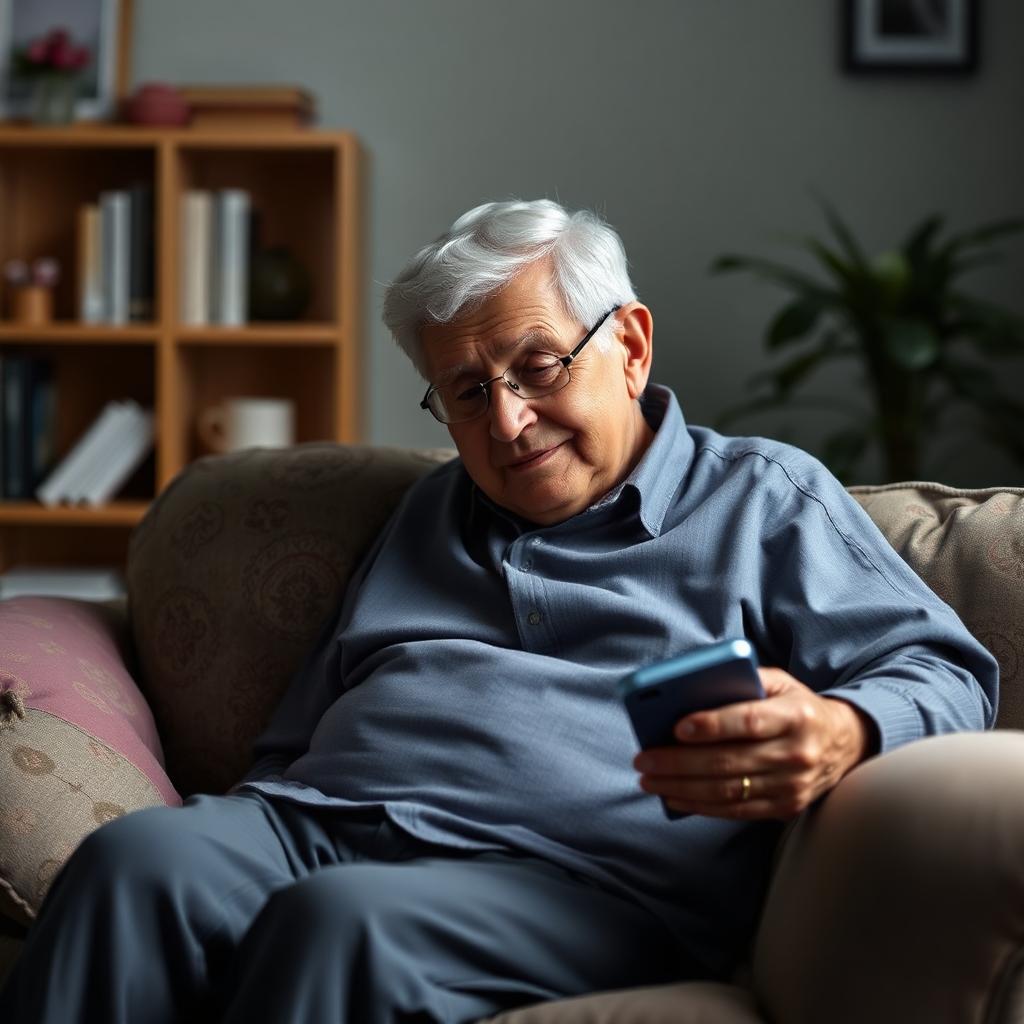
The Census Bureau reports that 3 in 10 Americans age 65 or older live alone. Women are almost twice as likely as men to live in a single-person household. It is more common for men than women to live with a spouse or unmarried partner after reaching the age of 65.
While older people living alone may function as well as younger people, their adult children and other relatives often worry about their safety. Calling a parent every day to check on their well-being might be welcomed by some older adults (particularly those who feel lonely), but other seniors might be put off by attention that they regard as overprotective.
Protective Technology for Adults Who Live Alone
Technology may provide a solution for adult children who want to assure that a parent is doing well without doing a daily check-in. A variety of personal emergency response systems offer peace of mind to adult children who worry about their parent’s well-being when she lives alone.
A television commercial that began in 1987 is memorable — and often mocked — for the line “I’ve fallen and I can’t get up.” The commercial for LifeCall marketed a pendant that seniors could activate if they experienced an emergency. A microphone on the pendant allowed the senior to speak to a dispatcher and request assistance.
While LifeCall has gone out of business, more sophisticated emergency response systems now fill that void. While a senior who is rendered unconscious by a fall would be unable to activate the LifeCall device, newer systems do not depend on the user to make a request for help. Using sensors, some wearable devices can detect when the occupant of a residence has fallen. The devices respond by alerting family members and/or first responders of the potential need for help.
Some systems are equipped with GPS so they can pinpoint the location of a senior who has fallen outside of her home. The best devices are marketed by companies that respond to an alert in less than a minute.
Are You Dead Yet?
Less sophisticated but also less expensive is a device that has become the number one iPhone app in China’s app store. Marketing under the rather gruesome name “Are You Dead?”, it has become the most downloaded app in China.
While Chinese app users tend to be younger people, the device might serve the needs of adult children who want to know that a parent is well without making a daily call. The app user must push an oversize button on the app at regular intervals. The user sets an emergency contact who receives an alert if the user fails to push the virtual button within the defined time period. The contact can then investigate further to determine whether the user is incapacitated or simply forgot to press the button.
The app costs about a dollar, although the developers anticipate a price increase to cover their costs. The developers have considered changing its name to “Are You Alive?” in the belief that a more positive name might attract even more users.
The app is obviously not a substitute for costlier emergency response systems. A senior with dementia or less severe memory problems might easily forget to push the button, sparking worry when the emergency contact receives a notification. The app cannot detect a potential medical emergency, and a day might pass before a senior who falls misses the scheduled check-in time.
Adult children with reasonably healthy parents might nevertheless consider the app as an affordable alternative to an emergency response system. For that matter, seniors might want adult children who rarely call them to use the app so their parents will know that their kids are still alive.