
Updated October 2025
Declining physical and mental aptitudes are a natural consequence of aging. The abilities to see, walk, and remember are among those that are typically limited or lost. Those limitations often make it difficult for seniors to continue living in homes that are not designed to meet their needs.
Research shows that most elderly homeowners hope to live in their homes for as long as they possibly can, preferably for the rest of their lives. While “aging in place” is an attractive concept for seniors who do not want to leave their homes, almost half of homeowners over the age of 75 have a disability or impairment that makes it difficult for them to continue doing normal activities in homes that are not designed to accommodate those disabilities.
Elderly homeowners who want to continue living in their homes, either independently or with assistance from family members or home health aides, can make their lives easier and their homes safer by making home modifications. Some modifications are simple and inexpensive, while structural changes require a greater investment.
When should modifications be made?
Nearly half of all homeowners in 2025 were planning to spend at least $5,000 on a remodeling project. Some are motivated by a desire to make a home more attractive and others need to make significant repairs. The Census Bureau reports that only 6% of older homeowners plan to renovate their home to improve accessibility, at least in the near future. Any time homeowners consider remodeling the home in which they plan to live out their lives, that remodeling project should incorporate modifications to accommodate the homeowners’ needs as they grow older.
Tip: Thinking ahead can help you save money. If you add features to a remodeling project that will make the home safer and more accessible as you age, you will not need to hire a contractor to come to your home a second time to make those changes.
What modifications might be required?
The concept of “universal design” guides much modern home construction. New homes are typically built with floor plans and accessibility features that will allow people of all ages to occupy the home. Many newer homes are designed with wide doors and with no front step, making the homes more easily accessible to wheelchairs. Older homes usually need to be modified to accommodate the needs of seniors.
If you plan to expand a house, focus the expansion on the ground floor. Having a master bathroom on the ground floor saves the burden of climbing stairs later in life.
The following guidelines will help you think about modifications that will make your home comfortable in your senior years. Additional resources on home modifications for elderly and disabled individuals are available from homemods.org, [https://homemods.org/] a joint project of the USC School of Gerontology Fall Prevention Center of Excellence and the National Resource Center on Home Modification.
Bathrooms:
- Grab bars are an essential addition to tubs and showers.
- Choose tubs and showers that are easy to enter and exit.
- Install toilets that will be at a comfortable height for seniors to use.
- Handheld showers are a convenience for seniors who cannot stand while bathing.
Kitchens and bathrooms:
- Change the knobs or pulls on cabinets to make them easy for an arthritic hand to grasp.
- Install cabinets that can be accessed from a wheelchair.
- When choosing faucets, remember that levers are easier for seniors to use than handles that must be gripped and turned.
Doors and windows:
- The windows in older houses are often difficult to raise and lower. Consider replacing them with windows that easily open and close.
- Choose window locks that are easy to use.
- Replace doorknobs with levers.
- Widen doorways and hallways to improve accessibility for seniors using wheelchairs or walkers.
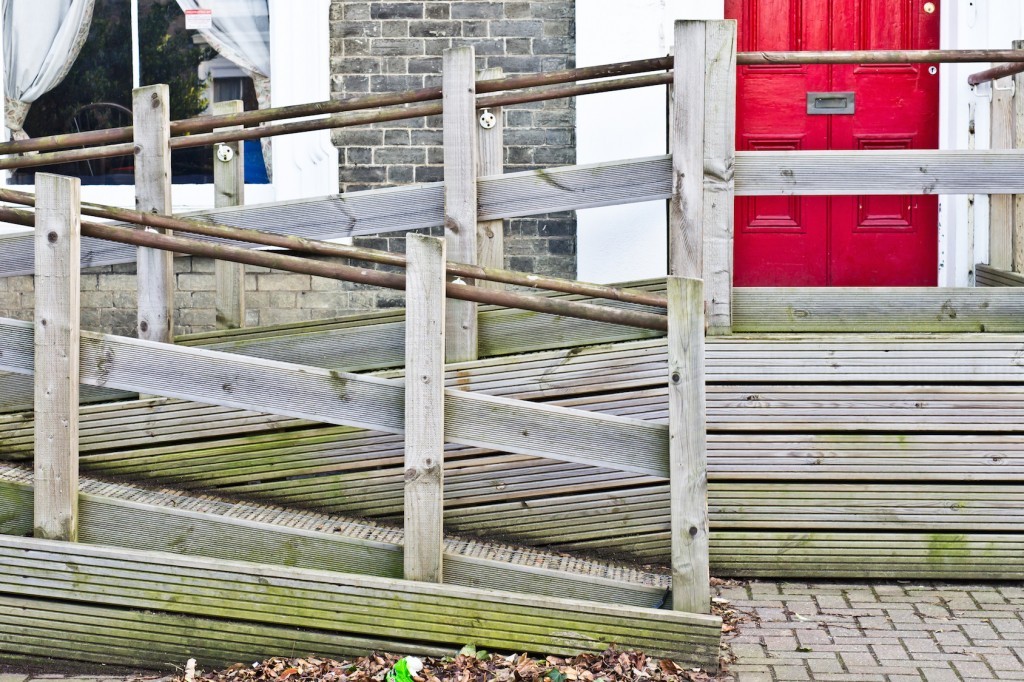
- If exterior doorways are not level with the ground, consider adding a ramp to one or more entrances to make them wheelchair accessible.
Steps and stairs:
- If your remodeling project includes adding or changing a stairway, consider a design that will accommodate a stair glide or a chair lift.
- If stairways have a handrail only on one side, add a handrail to the other side, as well.
- Replace narrow handrails with wide rails that are easy to grasp.
- Add non-skid coverings to stair treads.
Throughout the house:
- Relocate light switches and outlets to make them easy to reach.
- Add non-slip floor coverings to bare floors.
- Redesign closets so that shelving is easily reached from a sitting position.
- Replace old light fixtures with fixtures that are brighter and that require bulbs to be replaced less frequently.
What does it cost to modify a home?
The cost of modifying a home depends upon the extent of the modification and upon the quality of the improvements you choose to make. Seniors Blue Book [Kayla: link Seniors Blue Book to https://seniorsbluebook.com/articles/the-cost-of-aging-in-place-home-modifications-or-buying-a-new-home] offers the following examples:
- Entrance ramp installation: $875 to $1,750.
- Entry handrails installation: $700 to $1,200.
- Entrance door widening: $200 to $7,000.
- Hallway widening: $800 to $1,400 per doorway with no structural changes; $30,000 to $40,000 with structural changes.
- Replace faucets with lever taps: $150 to $330.
- Add walk-in shower: $3,000 to $15,000 (basic), upwards of $20,000 for a fancier shower with benches or built-in seats.
- Lower kitchen countertops: $15,000 to $20,000.
- Add non-slip flooring: $1,000 to $3,000.
If you plan to add a new master bedroom to the first floor of a home to avoid climbing stairs, you might pay anywhere from $37,500 to $150,000.
Some contractors offer discounts to seniors. Check out the contractor’s reputation, however, to make sure you are hiring someone who is reliable and responsible. Also, make sure your contractor is licensed and insured.
Federal funds to help low-income seniors remodel a home in order to accommodate disabilities may be available through your local Area Agency on Aging. Low-income seniors might also find volunteers willing to assist with remodeling projects through Rebuilding Together.
Are there laws I must obey?
Simple repairs, such as adding no-slip coverings to stair treads or installing grab bars, do not require a building permit. You may be able to undertake those projects yourself if you feel comfortable doing so.
You will need to acquire a building permit and to have the work inspected if you engage in an extensive remodeling project. As a general rule, any project that involves rewiring or adding new wiring to the electrical system, rerouting or adding to plumbing, or making changes to a home’s structure (such as adding rooms or removing load-bearing walls) will require a building permit, even if you want to do the work yourself.
If you are hiring a contractor, the contractor can help you obtain a building permit if one is needed. If you are unsure whether you need a permit, discuss the project with the Building Inspection Department in your city or town.
(This article was updated October 2025.)